A step-by-step guide on how to make a pot of tea. Includes recommendations and accompaniments.
How to make the perfect pot of Tea
Dear reader, I have a confession to make. I’m not a regular tea drinker—in fact, I like to think of myself as more of a tea indulger. I happily enjoy it when paired with delightful Afternoon Tea treats, but at home, I tend to reach for coffee instead.
That said, there’s something undeniably magical about preparing a pot of tea, and I’m eager to bring that ritual back! It’s an essential part of Afternoon Tea, and pouring it into beautiful china cups adds a touch of elegance and theatre that shouldn’t be missed. More importantly, its delicate flavours complement many sweet treats and savouries perfectly. And, let’s be honest, knowing how to make a proper pot of tea is a lovely skill to master—whether you use it often or not.
With that in mind, I’ve put together some simple, straightforward instructions for making tea. If you’re already an aficionado, feel free to share your tips and tricks—I’ve been told that crafting the perfect pot is both an art and a science.
Recommendations for Afternoon Tea
Earl Grey: A black tea flavoured with bergamot oil, giving it a distinctive, aromatic citrusy flavor. Often enjoyed with a slice of lemon or a splash of milk. I like the Twinings version.
English Breakfast: A robust, full-bodied blend, typically made from Assam, Ceylon, and Kenyan teas. Known for its rich, malty flavour, it’s commonly served with milk and sugar.
Darjeeling: A delicate, light black tea grown in the Darjeeling region of India. It has floral and fruity notes with a slightly musky finish. Best enjoyed without milk.
Assam: A strong, malty black tea grown in India’s Assam region. It’s bold and brisk, making it a popular base for breakfast blends. Pairs well with milk and sugar.
Green Tea: Made from unoxidized leaves, it’s light, fresh, and slightly grassy in flavour. Packed with antioxidants, it’s often enjoyed plain or with a hint of honey.
Herbal Tea: Made from herbs, flowers, spices, or fruits. Naturally caffeine-free, with endless flavour options ranging from soothing chamomile to invigorating peppermint.
How to Make Tea, Step-by-Step
1. Choose High-Quality Leaves
- Loose-leaf gives the best flavour.
2. Use Fresh, Filtered Water
- Avoid using re-boiled water, as it can make the tea taste flat.
- Filtered or spring water is best for a clean taste.
3. Warm the Teapot
- Pour a little hot water into the pot, swirl it around then discard.
4. Measure the Tea
- General rule: 1 teaspoon of loose tea per cup + 1 extra for the pot.
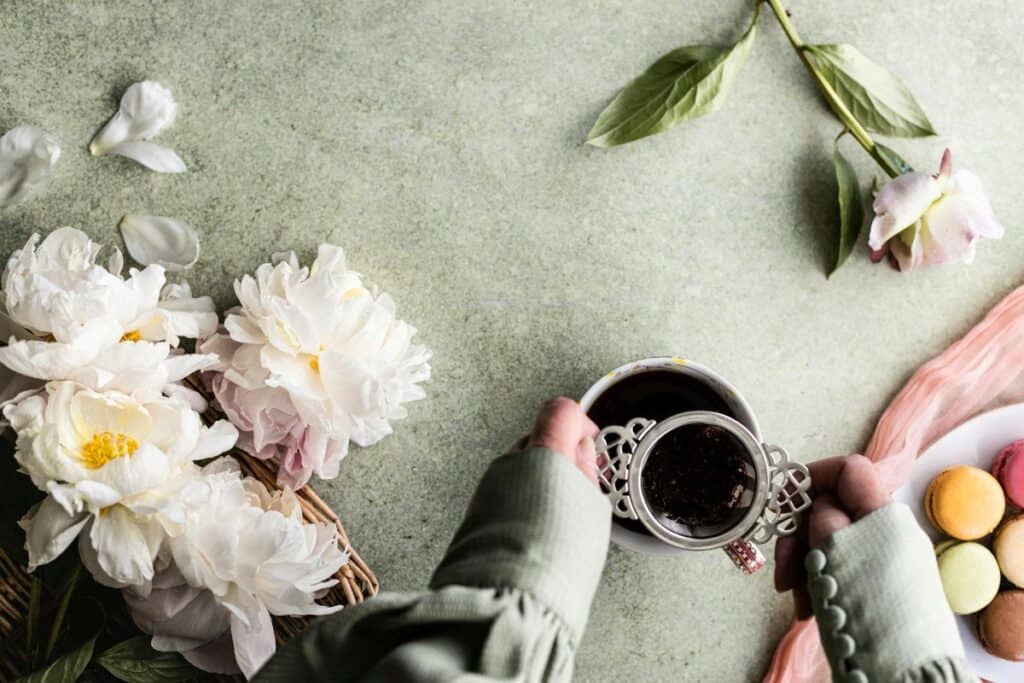
- Place the tea in the infuser inside the pot.
- If your pot doesn’t have an infuser, place the leaves in the pot. You will need a tea strainer when you pour so the leaves don’t go into the cup.
5. Heat the Water to the Right Temperature – use a timer for accuracy
- Herbal and Black: 95°C (203°F) – Full boil, turn off the kettle, pour immediately.
- Oolong: 85-90°C (185-194°F) – Full boil then let the kettle cool for one minute before pouring into the pot.
- Green: 75-85°C (167-185°F) – Full boil then let the kettle cool for two minutes before pouring into the pot.
- White: 70-80°C (158-176°F) – Full boil then let the kettle cool for three minutes before pouring into the pot.
6. Steep for the Right Time – use a timer for accuracy
- Black: 3 -5 minutes.
- Herbal: 5-7 minutes.
- Oolong: 4-7 minutes.
- Green: 2-3 minutes.
- White: 4-5 minutes
7. Remove the Leaves
- To avoid bitterness, remove the infuser once the steeping time is complete.
- If you’re not using an infuser, the strainer will catch the leaves as you pour, preventing oversteeping.
8. Serve and Enjoy!
- The host pours tea for their guests before serving themselves.
- Milk is traditionally added to the cup before pouring tea (especially for black tea as it’s very hot and could crack the delicate porcelain), but it’s also acceptable to add it afterward based on personal preference.
- You can offer lemon slices for a citrusy twist.
- Honey is wonderful for sweetness and should be offered with green tea and some herb teas such as ginger or lemon.
Try these recipes
Vanilla cupcakes with edible flowers